
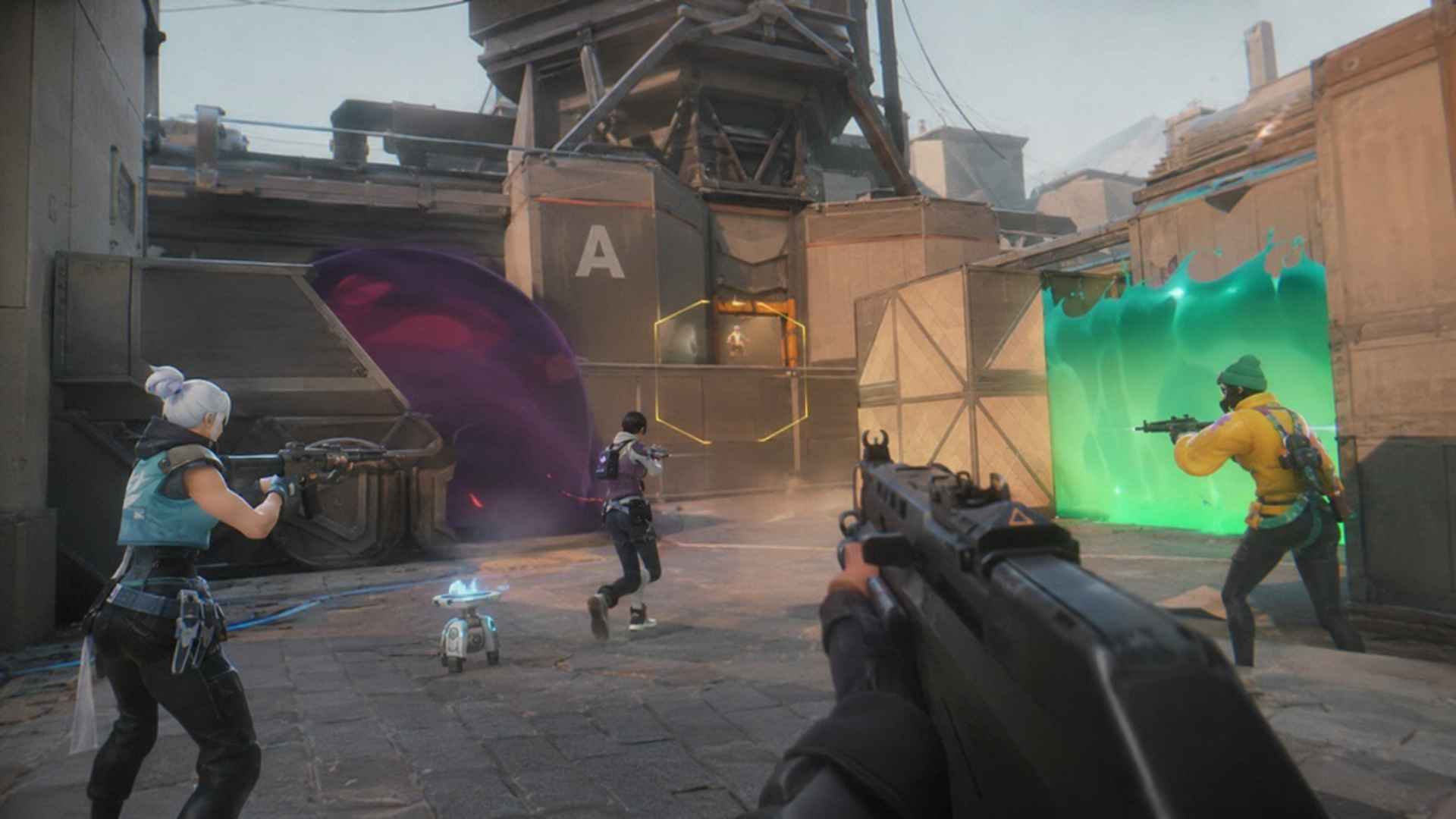
Valorant is a tactical first person shooter where teamwork, communication, and smart decision making play an important role in winning matches. Developed by Riot Games, the game combines precise gunplay with unique character abilities that can change how each round develops. Every playable character, known as an Agent, has a different set of skills designed to support specific strategies and team objectives. Understanding these abilities is important because choosing the right Agent can make a big difference during both attacking and defending rounds.
Each Agent belongs to one of four main roles: Duelist, Initiator, Controller, or Sentinel. These roles help players understand their responsibilities and how they can contribute to the team. Some Agents focus on taking control of dangerous areas, while others provide information, block enemy vision, or protect important locations. Learning how these roles work together allows players to build better team compositions and make smarter decisions throughout a match.
Understanding The Four Main Valorant Agent Roles
Duelists are designed to create opportunities for their teams by entering dangerous areas and challenging enemy players. Agents such as Jett, Raze, Phoenix, and Reyna are known for their ability to take aggressive fights and create space during attacks. Their abilities often provide mobility, damage, or ways to survive direct encounters. However, playing a Duelist does not simply mean chasing eliminations. A good Duelist understands when to push, when to wait for support, and how to help teammates enter a bomb site safely.
Initiators focus on gathering information and helping their teammates approach contested areas. Agents like Sova, Fade, Breach, and KAY/O have abilities that reveal enemy positions, disrupt opponents, or make it harder for defenders to hold their positions. Their skills are especially useful before entering a bomb site because they can reduce the risks of unexpected enemy encounters. Initiators usually work closely with Duelists, providing useful information and creating openings that allow aggressive teammates to move forward with greater confidence.
Controller And Sentinel Roles In Team Strategy
Controllers specialize in managing visibility and controlling important areas of the map. Agents such as Brimstone, Omen, Viper, Astra, and Clove use smoke abilities and other area control skills to limit enemy vision. These abilities can block dangerous sightlines, making it easier for teammates to enter a site or defend a planted Spike. Controllers also help teams manage map pressure by separating opponents and limiting their ability to support each other. Good smoke placement requires map knowledge, timing, and an understanding of where enemies are likely to position themselves.
Sentinels are responsible for protecting locations, watching flanks, and slowing down enemy advances. Popular examples include Sage, Cypher, Killjoy, Chamber, and Deadlock. Their abilities provide defensive tools such as traps, surveillance devices, barriers, and healing. These skills make it harder for opponents to move through certain areas without being noticed. Sentinels are particularly valuable when defending bomb sites because they can gather information and delay enemy pushes. Their defensive abilities also allow teammates to focus on other parts of the map without constantly worrying about unexpected attacks from behind.
How Valorant Agent Abilities Support Team Coordination
Every Valorant Agent has a unique collection of abilities that serves a different purpose during a match. Most Agents have two basic abilities, one signature ability, and one ultimate ability. The exact skills depend on the character, and some abilities must be purchased during the buy phase. Signature abilities generally become available again according to their individual recharge rules, while ultimate abilities require players to collect ultimate points through actions such as eliminations, deaths, or collecting ultimate orbs. Understanding these mechanics helps players manage their resources more effectively.
Combining abilities between different roles can create strong opportunities during both attacking and defending rounds. For example, an Initiator can reveal enemy positions before a Duelist enters a bomb site, while a Controller blocks important angles with smoke. At the same time, a Sentinel can watch the team’s flank to prevent opponents from approaching unnoticed. This type of coordination makes it easier to control space and reduces the number of dangerous situations players need to handle alone. Successful teams usually focus on combining their abilities instead of using every skill without a clear purpose.
Choosing an Agent should depend on personal playstyle, team composition, and the map being played. Players who enjoy aggressive engagements may feel comfortable with Duelists, while those who prefer gathering information might choose Initiators. Controllers are suitable for players who enjoy planning site executions, and Sentinels work well for people who prefer defensive strategies. However, being flexible is also important because teams do not always have the same requirements in every match. Learning several Agents across different roles can help players adapt to changing situations and become more useful teammates.