Team based games have become an important part of modern gaming, offering experiences that depend on cooperation, communication, and smart decision making. Unlike games that focus mainly on individual performance, team based titles encourage players to work together using different characters, abilities, and playstyles. Each character usually has a specific role that contributes to the team’s overall performance. Understanding how these roles interact can make a significant difference during competitive matches, especially when players face opponents with different strategies and strengths.
Character synergy and tactical coordination are two important elements that shape successful team gameplay. A team with strong individual players does not always perform well if its members cannot support one another. The ability to combine character abilities, recognize opportunities, and make decisions together often creates better results. By understanding these elements, players can improve their teamwork, respond more effectively to changing situations, and develop more consistent strategies.
Understanding Character Roles and Team Synergy in Multiplayer Games
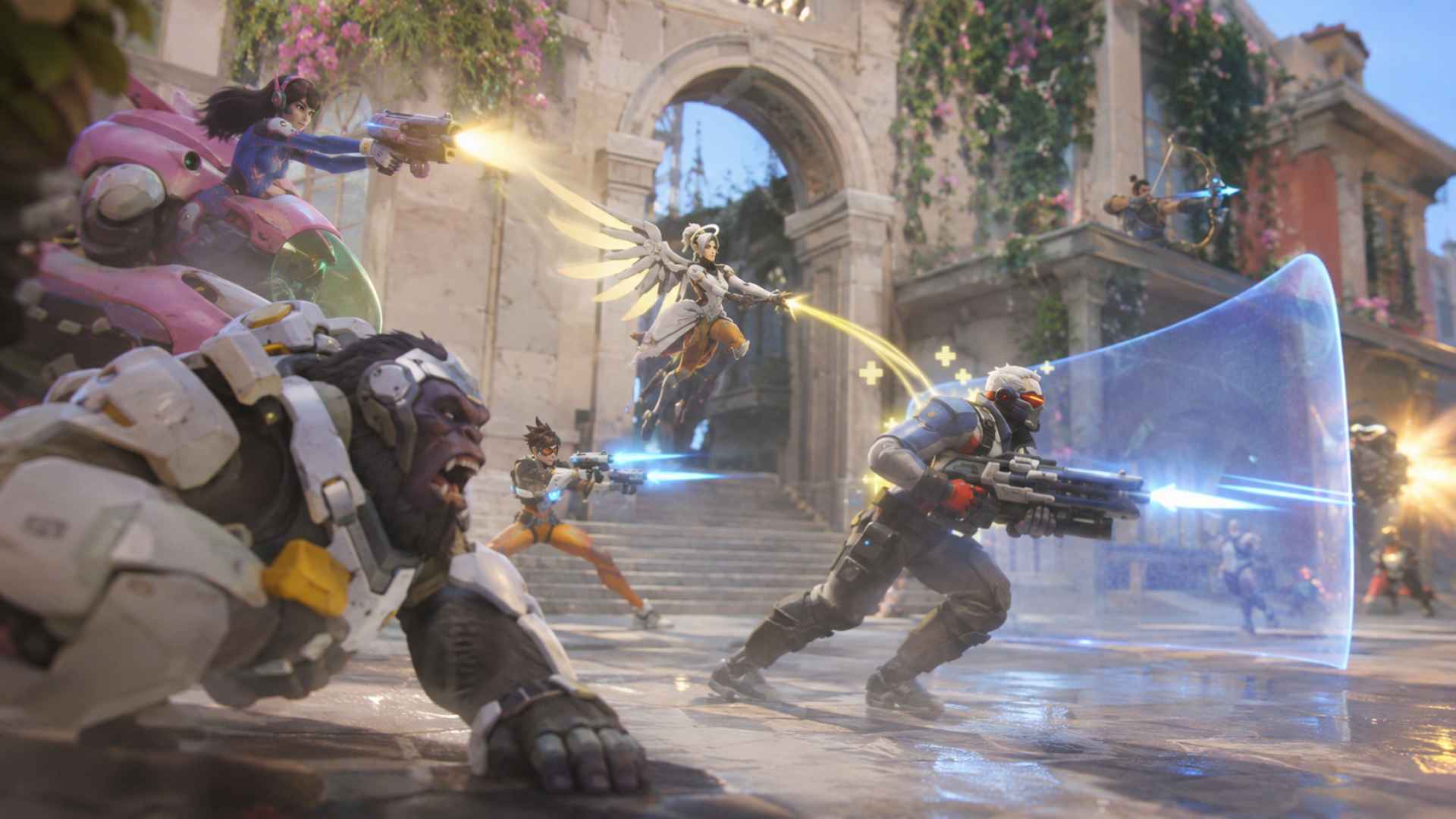
Character synergy refers to how different characters complement each other through their abilities, strengths, and assigned roles. In many multiplayer games, characters are designed with specific functions, such as dealing damage, protecting teammates, controlling opponents, or providing healing and support. These roles create opportunities for cooperation because each character can cover weaknesses that another character might have. A defensive character, for example, can protect teammates while damage focused characters concentrate on eliminating opponents.
Successful synergy does not always depend on choosing the strongest characters available. It requires understanding how their abilities work together in different situations. Some characters can create opportunities for teammates by slowing opponents, controlling important areas, or limiting enemy movement. Others can take advantage of those opportunities with powerful attacks or defensive abilities. When players understand these interactions, they can build more balanced teams and avoid relying too heavily on a single character’s strengths.
Tactical Coordination and Communication During Team Battles
Tactical coordination involves making decisions that support shared team objectives rather than focusing only on personal achievements. Players need to understand when to attack, defend, retreat, or reposition based on the current situation. These decisions become especially important in objective based games, where controlling specific areas or completing tasks can determine the outcome of a match. Even a team with strong characters can struggle when members act independently without considering the positions and intentions of their teammates.
Communication helps turn individual decisions into coordinated actions. Players can share information about enemy positions, available abilities, incoming threats, and important objectives. Clear communication also reduces unnecessary mistakes, such as multiple teammates targeting different opponents or using important abilities at the wrong moment. Voice communication and in game signals are common tools for sharing information quickly. However, effective communication does not require constant conversation. Short, relevant information is often more useful because teammates can understand instructions without losing focus on the action.
Building Better Team Strategies Through Ability Timing and Adaptation
Ability timing plays an important role in character synergy because many team based games include skills with cooldown periods, limited resources, or specific activation conditions. Using an ability at the wrong moment may reduce its effectiveness and leave the team without an important option during a critical situation. Coordinated players pay attention to these limitations and look for opportunities to combine their abilities. For example, a crowd control skill can temporarily restrict enemy movement, allowing another teammate to follow up with an attack. This type of coordination can create advantages that individual actions may not achieve.
Adaptability is equally important because opponents rarely follow the same strategy throughout an entire match. A team may need to change its formation, character approach, or objective priority when the opposing side becomes more aggressive or focuses on a particular weakness. Players who understand their characters can adjust their responsibilities without disrupting the entire team. They can also recognize when an initial strategy is no longer effective and suggest practical changes. Being flexible helps teams respond to unexpected situations while maintaining cooperation and a clear direction.
Practice also contributes to stronger tactical coordination. Playing together regularly allows teammates to understand each other’s habits, preferred positions, and decision making styles. Over time, players can develop better awareness of when support is needed and when an opportunity is worth taking. Reviewing previous matches can also help identify common mistakes, including poor positioning, wasted abilities, and delayed responses. These observations provide useful information that players can apply in future games rather than repeating the same errors.