
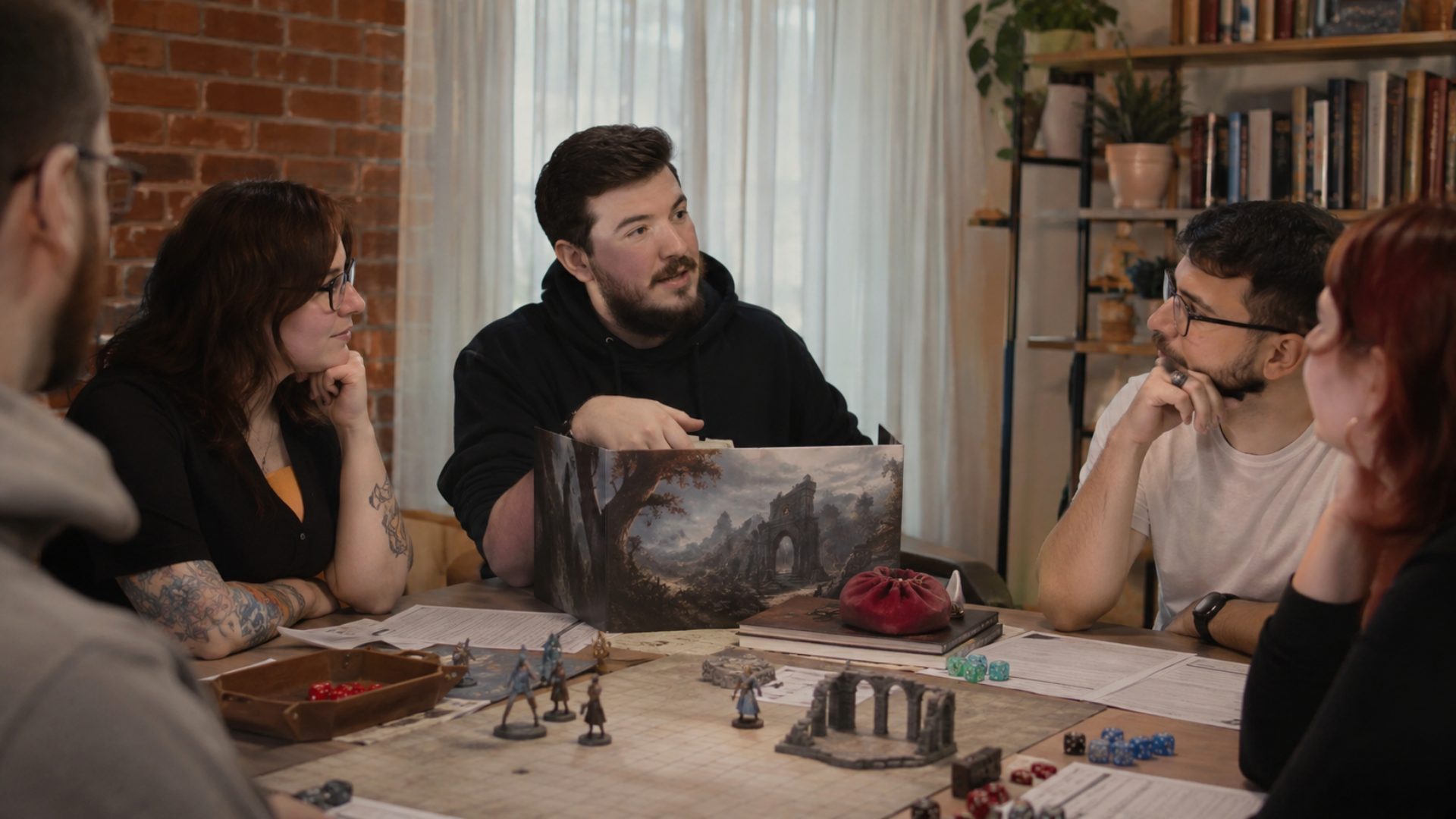
Starting a tabletop role playing game campaign is an exciting way to bring friends together for a shared storytelling experience. Whether the group plays Dungeons & Dragons, Pathfinder, or another tabletop RPG, a successful campaign usually begins with good preparation. The game master needs to establish the setting, create a clear direction for the story, and understand what players expect from the experience. These early decisions help everyone enjoy the game while making each session easier to organize and follow.
Player alignment is another important part of campaign preparation. Every participant should have a reasonable understanding of the game’s themes, rules, tone, and expectations before the first session begins. Some players enjoy challenging combat and tactical decisions, while others prefer character development, exploration, and social encounters. Bringing these preferences together can create a more enjoyable experience. With a shared understanding, the group can build a campaign that feels engaging, balanced, and welcoming to everyone at the table.
Building A Strong Foundation For Your Tabletop RPG Campaign
The first step in tabletop RPG campaign setup is choosing a setting that supports the type of adventure the group wants to experience. A fantasy kingdom, a mysterious island, a futuristic city, or a world filled with supernatural events can all provide interesting opportunities. The setting does not need a complicated history or hundreds of locations from the beginning. Instead, the game master can focus on the starting area, important characters, nearby locations, and the main situation that brings the player characters together. Additional details can develop naturally as the campaign progresses.
A clear campaign premise also gives players something to connect with when creating their characters. For example, the story might involve investigating strange disappearances, protecting a small settlement, finding a missing artifact, or surviving in an unfamiliar region. The premise should explain why the characters might work together without forcing them into a single personality or background. It is also useful to prepare a few possible story developments rather than planning every event in advance. This approach gives the game master direction while allowing player decisions to influence the adventure.
Aligning Player Expectations Before The First Game Session
Before the campaign begins, the game master should arrange a session zero. This is a preparation meeting where everyone can discuss their expectations before starting the actual adventure. Topics may include the campaign’s overall tone, preferred gameplay style, expected session length, scheduling, and character creation rules. A session zero can also clarify whether the game will focus more on combat, role playing, exploration, or a combination of these activities. Discussing these subjects early helps prevent misunderstandings and gives players a chance to share their preferences openly.
Character alignment is equally important because the player characters will spend much of the campaign interacting with one another. Players should consider why their characters are part of the same group and what motivates them to cooperate. Their personalities do not need to match, and disagreements can create interesting role playing opportunities. However, characters should have enough common ground to support teamwork. Establishing shared goals, useful relationships, or a common reason for traveling together can make group interactions feel more natural and keep the campaign moving forward.
Organizing Campaign Rules, Characters, And Gameplay Expectations
A well organized campaign needs consistent rules and practical arrangements. The game master should explain which rulebook or game edition the group will use, how character creation works, and whether any optional rules or house rules will be included. This is especially important when players have different levels of experience. New players may need additional explanations, while experienced participants may already understand common mechanics. Keeping the rules consistent helps everyone make informed decisions and reduces unnecessary interruptions during important scenes.
Scheduling should also be discussed before regular sessions begin. Tabletop RPG campaigns often involve multiple players, so finding a time that works for everyone can be challenging. The group should agree on how frequently to play, how long each session will last, and what happens when someone cannot attend. A realistic schedule is usually more useful than an ambitious plan that becomes difficult to maintain. The game master can also share character notes, campaign information, and session reminders through a shared digital document or group communication platform.
Finally, the campaign should leave enough room for creativity and unexpected decisions. Game masters can prepare important locations, non player characters, possible challenges, and useful story information without deciding exactly how every encounter must end. Players should feel that their choices matter, whether they negotiate with an enemy, investigate an unusual location, or take an unexpected route through the story. Regular communication after sessions can help identify what works and what needs adjustment. When campaign preparation and player alignment support each other, the group has a stronger foundation for an enjoyable long term tabletop RPG experience.