
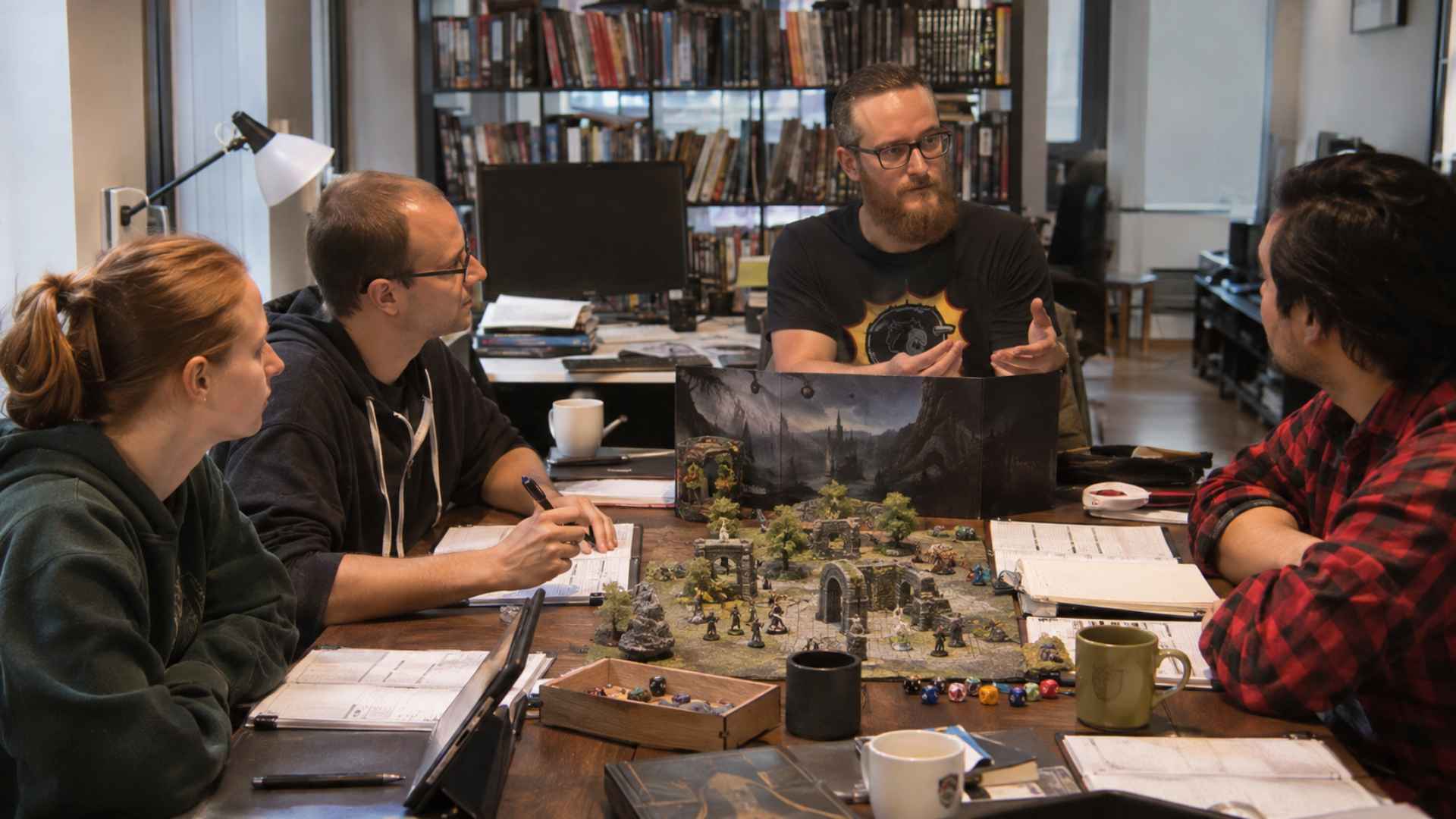
Tabletop role playing games (RPGs) are built around imagination, storytelling, teamwork, and creative decision making. Whether players are exploring dangerous dungeons, solving mysterious puzzles, or building relationships between fictional characters, every session brings different ideas and personalities to the table. However, even a well planned campaign can become uncomfortable when players and the Game Master (GM) have different expectations about how the game should work. This is why establishing shared expectations is an important part of creating an enjoyable tabletop RPG experience.
Shared expectations help everyone understand what kind of adventure they are joining and what they can expect from other participants. They create a common understanding of the game’s tone, rules, character behavior, and group dynamics. When everyone is on the same page, players can focus more on storytelling and cooperation instead of dealing with unnecessary confusion or disagreements.
Building A Strong Foundation Through Clear Communication
Clear communication is one of the most important elements of a successful tabletop RPG session. Before a campaign begins, players and the GM should discuss their preferences, interests, and expectations. Some players enjoy challenging combat encounters, while others prefer character development, social interactions, or detailed worldbuilding. These different interests can work together, but only when everyone understands what the group wants from the experience. Having an open conversation early helps prevent misunderstandings that might affect future sessions.
A session zero is a practical way to establish these expectations. This is a meeting held before the main adventure starts, giving participants time to discuss campaign themes, house rules, character creation, and general gameplay preferences. It also allows the GM to explain the campaign’s direction and answer questions. According to common tabletop RPG practices, this early discussion helps players create characters who fit the setting and contribute to the shared story. It gives everyone a clearer idea of what they are agreeing to before the adventure begins.
Creating A Comfortable And Respectful Gaming Environment
Every tabletop RPG group includes people with different backgrounds, personalities, and comfort levels. A story involving horror, intense conflict, betrayal, or personal tragedy may be exciting for some players but uncomfortable for others. Discussing content boundaries before playing helps the GM understand which themes should be avoided, adjusted, or handled carefully. Tools such as safety discussions, lines and veils, and the X Card can help groups communicate discomfort without forcing anyone to explain personal experiences. These practices support a more welcoming environment where players feel respected.
Respect also means understanding that everyone deserves an opportunity to participate. Some players naturally enjoy taking the lead during conversations, while others prefer observing before making decisions. Without shared expectations, confident players may unintentionally dominate important scenes, leaving quieter participants with fewer opportunities to contribute. Establishing simple group agreements about turn taking, character spotlight, and respectful discussion can make sessions more balanced. When players recognize each other’s contributions, the game becomes more collaborative, and everyone has a better chance to enjoy the adventure.
Improving Storytelling And Maintaining Consistent Gameplay
Shared expectations also help create a more consistent storytelling experience. The GM usually prepares locations, characters, challenges, and major story developments, but players influence how the adventure unfolds through their decisions. When everyone understands the campaign’s tone and overall direction, it becomes easier to build a story that feels connected. For example, a serious fantasy campaign may require different character choices and role playing styles compared to a lighthearted adventure filled with comedy. Agreeing on the intended atmosphere helps prevent conflicting approaches that could interrupt the narrative.
Another important benefit is reducing disagreements about game rules. Tabletop RPG systems often include detailed mechanics for combat, character abilities, movement, skill checks, and other situations. Players may interpret certain rules differently, especially when using house rules or optional mechanics. Discussing how the group handles unclear situations can prevent lengthy arguments during important moments. The GM should also explain how rule decisions will be made and remain reasonably consistent throughout the campaign. This does not mean every ruling must be perfect, but players should understand the approach being used.
Finally, shared expectations make it easier for a group to manage changes as a campaign develops. Schedules may become difficult to maintain, new players may join, and the story may move in an unexpected direction. Instead of assuming that everyone has the same priorities, groups should communicate when circumstances change. Regular check ins allow players and the GM to discuss pacing, difficulty, session length, and overall enjoyment. These conversations do not need to be formal or time consuming. Even a short discussion after a session can reveal small problems before they become larger issues. Being willing to adjust expectations keeps the campaign flexible and helps maintain positive relationships between participants.