
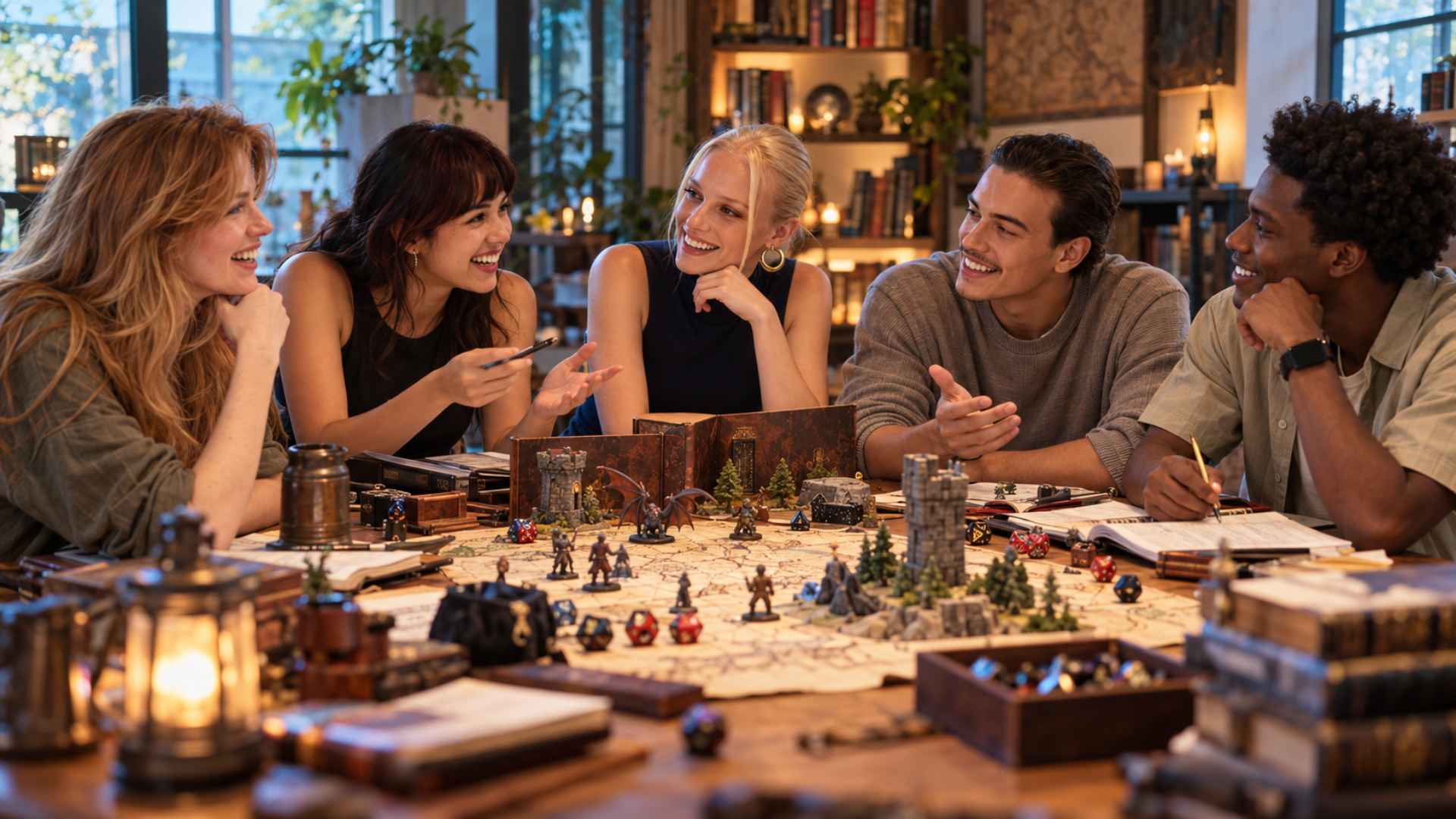
Role-playing games offer a unique opportunity for players to create memorable adventures together, combining imagination, character development, and shared decision-making. Unlike traditional storytelling, where a single author controls the narrative, tabletop role-playing games allow every participant to influence how events unfold. A well-prepared session provides the foundation for this creative exchange, giving players enough direction to build meaningful experiences while preserving the freedom to make unexpected choices. When a game master balances preparation with flexibility, the entire group can contribute to a story that feels personal, engaging, and unpredictable.
Successful collaborative storytelling begins long before the dice hit the table. Effective RPG session planning helps establish a clear narrative direction, align player expectations, and create opportunities for meaningful interaction. Rather than preparing every scene in advance, a game master can develop compelling situations, interesting characters, and conflicts that invite players to shape the outcome. This approach transforms preparation from a rigid script into a flexible framework. By focusing on shared goals and player agency, groups can build immersive adventures where every decision matters and each participant feels connected to the evolving narrative.
Building A Shared Vision For Collaborative RPG Storytelling
A successful role-playing campaign begins with a shared understanding of what everyone wants from the experience. Some players enjoy tactical combat, while others prefer political intrigue, emotional character development, or lighthearted exploration. Before preparing an adventure, the game master should discuss these preferences with the group. This conversation helps establish expectations about tone, pacing, character relationships, and the overall direction of the campaign. When everyone understands the intended experience, planning becomes more focused, and the resulting sessions are more likely to satisfy different play styles without sacrificing narrative consistency.
Establishing a shared vision also means giving players a meaningful role in shaping the setting and central conflicts. Instead of presenting a fully developed world that leaves little room for contribution, the game master can invite players to create hometowns, personal rivals, important relationships, or unresolved character goals. These details provide useful material for future adventures while strengthening emotional investment. Incorporating player ideas into the campaign makes the story feel collectively owned rather than controlled by one person. This foundation supports stronger collaboration because every participant has a personal reason to care about what happens next.
Designing Flexible Adventures With Meaningful Player Choices
Effective adventure design focuses on situations rather than predetermined outcomes. A game master might prepare a city facing political unrest, a missing explorer, or a mysterious artifact that several factions want to control. Each premise offers multiple directions without requiring players to follow a single sequence of events. When preparing these scenarios, it helps to identify the central conflict, the people involved, the information characters can uncover, and the consequences of different decisions. This structure creates a dependable starting point while allowing the group to develop solutions that the game master never anticipated.
Creating Memorable Characters And Meaningful Conflicts
Non-player characters can make an adventure feel alive when they possess understandable motivations, recognizable personalities, and goals that extend beyond helping or obstructing the heroes. A merchant might conceal information to protect a family member, while a rival adventurer could compete with the party for reasons that gradually become sympathetic. These motivations create opportunities for negotiation, alliances, betrayal, and emotional tension. During RPG session planning, the game master should consider how important characters might react to changing circumstances rather than writing every line of dialogue. This approach makes conversations more natural and encourages players to influence relationships through their actions.
Balancing Preparation With Improvisation During Play
Preparation becomes most effective when it supports improvisation instead of preventing it. Although maps, encounter notes, and background information provide useful guidance, players frequently introduce unexpected ideas that change the direction of a session. A game master who understands the central conflict and character motivations can respond creatively without stopping the story to consult extensive notes. Preparing a few adaptable locations, interesting complications, and possible consequences often proves more valuable than scripting every scene. This balance preserves narrative coherence while allowing spontaneous decisions to become memorable moments of collaborative storytelling.
Connecting Player Backstories To The Main Campaign
Character backstories provide a natural bridge between individual experiences and the larger campaign narrative. During preparation, the game master can identify unresolved questions, important relationships, personal ambitions, and past mistakes that could become relevant during future sessions. A character searching for a missing sibling might uncover evidence connected to the campaign’s central antagonist, while a former soldier could recognize a symbol associated with an approaching threat. These connections should emerge gradually and leave room for player input. When personal histories influence the main plot, players gain stronger emotional reasons to participate, and the overall story feels more cohesive.
Using Session Goals To Maintain Narrative Momentum
Clear session goals help a group maintain momentum without limiting creative freedom. Before each meeting, the game master can identify one major development, such as revealing a secret, resolving a negotiation, or introducing a dangerous new complication. These goals provide direction while remaining flexible enough to accommodate alternative approaches. It is equally important to recognize that progress does not always mean defeating an enemy or completing a mission. A difficult conversation, a surprising alliance, or a discovery about another character can move the narrative forward. By focusing on meaningful developments rather than a fixed checklist, sessions remain productive without feeling rushed.
Encouraging Every Player To Contribute To The Story
Collaborative storytelling works best when every player has opportunities to influence events. Some participants naturally take the lead during conversations, while others prefer careful observation, tactical decisions, or quieter character moments. A thoughtful game master can create varied situations that reward different strengths, ensuring that participation does not depend entirely on speaking the loudest. Asking characters about their reactions, inviting players to describe personal successes, and incorporating their creative suggestions can make the table more inclusive. This approach strengthens group chemistry and helps each participant feel that their contribution matters to the shared adventure.
Improving Future Sessions Through Reflection And Feedback
The end of a session offers an opportunity to understand what made the experience enjoyable and what could be improved. A brief conversation about memorable scenes, confusing encounters, pacing, and character development can reveal useful information for future preparation. Players may appreciate more investigation, shorter combat encounters, deeper relationships, or greater freedom to influence the setting. The game master should treat this feedback as a collaborative resource rather than a judgment of personal performance. Even small adjustments can make upcoming sessions more engaging when they respond to the group’s actual preferences.
Consistent reflection also helps a campaign evolve naturally over time. Notes about player decisions, unresolved mysteries, important relationships, and consequences provide continuity between sessions and prevent meaningful details from disappearing. A simple campaign journal can record what happened, which questions remain unanswered, and which character goals deserve attention next. These records make preparation more efficient because future adventures can build directly on established events instead of introducing disconnected plots. Ultimately, effective RPG session planning combines thoughtful organization, responsive improvisation, and open communication. When game masters and players work together, every session becomes an opportunity to create a richer story that reflects the imagination, choices, and shared investment of the entire group.