
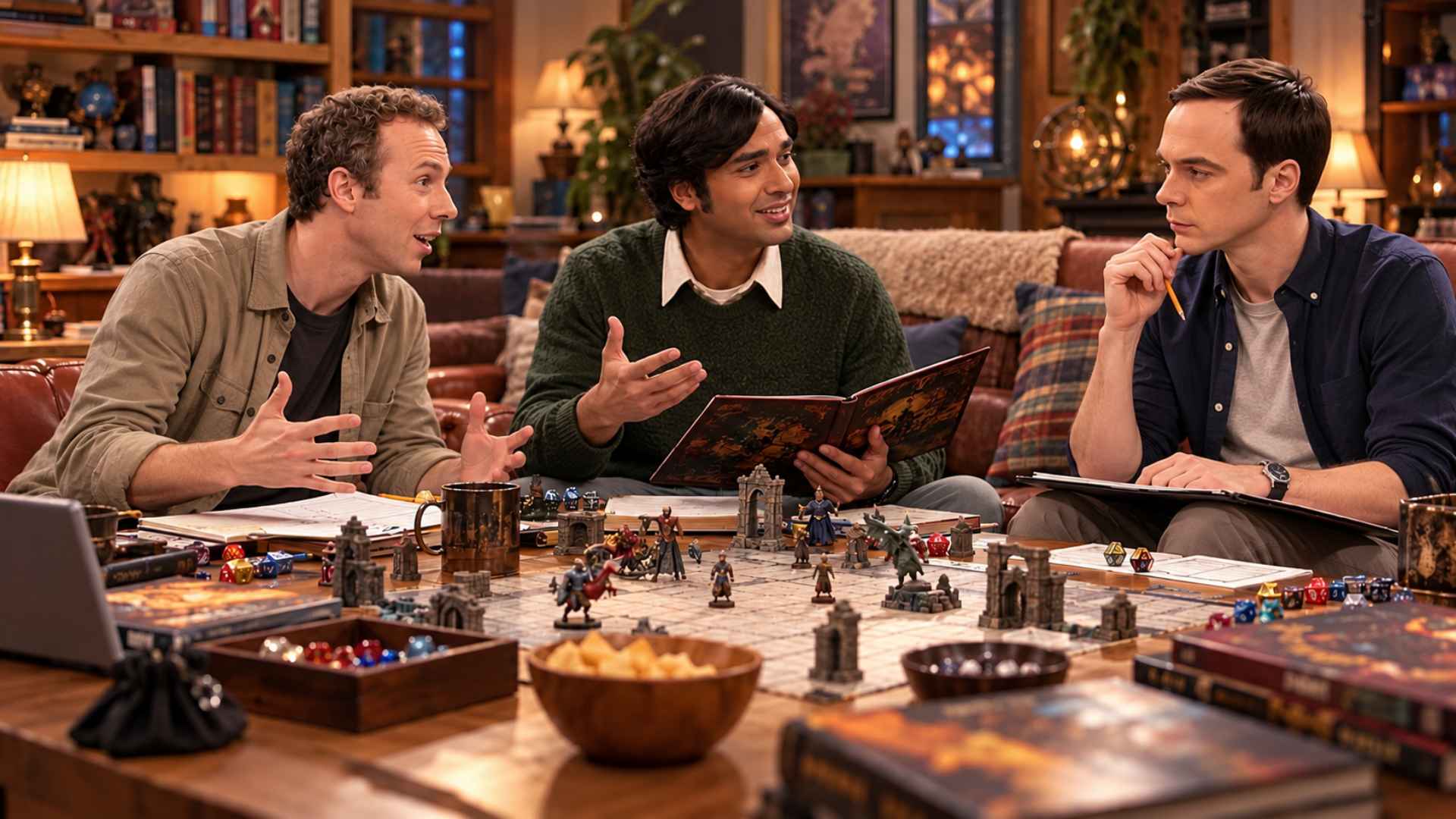
Role playing games bring people together through imaginative storytelling, challenging encounters, and memorable character interactions. Whether a group plays around a physical table or connects through an online platform, successful campaigns depend on more than creative ideas and well-designed adventures. Players and game masters need to understand one another, share expectations, and work together toward a common goal. When communication becomes unclear, even an exciting storyline can turn into a frustrating experience filled with misunderstandings and missed opportunities.
Improving player communication helps create a more welcoming atmosphere where everyone can contribute to the adventure. Clear conversations make it easier to coordinate strategies, develop compelling characters, and resolve disagreements without disrupting the game. They also allow game masters to understand what their players enjoy most, from dramatic role-playing scenes to tactical combat and unexpected plot twists. By establishing healthy communication habits, groups can build stronger relationships, encourage creativity, and make every RPG campaign more enjoyable for everyone involved.
Why Effective Communication Matters in RPG Campaigns
Communication shapes nearly every aspect of a role-playing game, including collaborative storytelling, character development, and decision making. Players often approach the same situation with different assumptions, personalities, and objectives. One person might prioritize completing a quest, while another prefers investigating a mysterious location or building relationships with non player characters. Without open discussion, these differences can create tension or leave some participants feeling ignored. Effective communication helps the group recognize different play styles and find a balance that respects individual preferences without sacrificing the shared experience.
Strong communication also improves the relationship between players and the game master. A game master may prepare an elaborate adventure, but the campaign becomes more engaging when players feel comfortable expressing their interests and concerns. Constructive feedback can reveal whether encounters are too difficult, role playing opportunities feel limited, or the storyline needs a different direction. Rather than treating feedback as criticism, groups can use it to make thoughtful adjustments. This collaborative approach encourages trust, supports creative problem-solving, and creates a campaign that evolves naturally around the people participating in it.
Establishing Shared Expectations Before the Adventure Begins
A productive campaign starts with a conversation about expectations before the first session. Players and game masters should discuss the preferred tone, session length, scheduling commitments, character creation rules, and balance between combat and storytelling. These conversations help prevent avoidable disagreements later, especially when participants have different levels of experience. A group that agrees on its priorities from the beginning can make decisions more confidently and maintain a consistent direction throughout the adventure. Establishing expectations also gives quieter players an opportunity to express their preferences before the campaign develops its own routines.
Creating an Inclusive Environment for Every Player
An enjoyable RPG campaign gives every participant a reasonable opportunity to contribute, regardless of experience, confidence, or communication style. Experienced players should avoid dominating discussions, while game masters can invite quieter participants to share their characters’ ideas during appropriate moments. Asking open ended questions, allowing time for responses, and acknowledging different contributions can make group conversations feel more balanced. An inclusive environment does not require everyone to speak equally in every scene. Instead, it ensures that participation remains voluntary, respectful, and meaningful, allowing players to engage in ways that feel comfortable to them.
Using Active Listening to Strengthen Group Collaboration
Active listening is one of the simplest ways to improve communication during an RPG session. Instead of preparing a response while another player is speaking, participants should focus on understanding the idea being shared. They can ask clarifying questions, acknowledge important details, and build on suggestions rather than immediately dismissing them. For example, when a teammate proposes an unexpected plan during combat, listening carefully may reveal a creative solution that the group would otherwise overlook. This habit encourages cooperation, reduces unnecessary misunderstandings, and helps players feel that their contributions genuinely influence the campaign.
Sharing Character Goals Without Controlling the Story
Character motivations create meaningful role playing opportunities when players communicate them clearly. A character might seek revenge, protect a hometown, uncover a family secret, or earn recognition from a powerful organization. Sharing these goals with the game master provides useful material for future quests and character development. Players can also discuss their characters’ motivations with one another to create stronger connections within the party. However, communicating intentions should not become an attempt to control every outcome. Leaving room for surprises, conflicting perspectives, and collaborative decisions allows the story to develop naturally while preserving each participant’s creative freedom.
Managing Conflicts Through Respectful and Direct Conversations
Disagreements are a normal part of collaborative storytelling, particularly when characters make difficult decisions or players interpret rules differently. Problems become more serious when frustration remains unspoken or personal criticism replaces constructive discussion. Players should describe their concerns clearly, explain how a situation affects their enjoyment, and give others a chance to respond. When necessary, the game master can pause the session to clarify rules or establish a fair solution. Separating in-character conflict from out-of-character disagreements is especially important because dramatic tension between fictional characters should not damage trust between the people playing them.
Maintaining Clear Communication Between RPG Sessions
Communication should continue after the session ends, especially when a campaign involves busy schedules, complex storylines, or multiple ongoing character goals. A dedicated group chat or shared campaign document can help players review important events, confirm upcoming sessions, and keep track of decisions made during the adventure. The game master can provide concise recaps covering major discoveries, unfinished quests, and important non-player characters. These reminders help everyone return to the story with a clearer understanding of what happened previously. Consistent communication outside the game also reduces scheduling confusion and makes preparation easier for the entire group.
Regular check-ins can further strengthen the campaign by giving participants a comfortable way to share feedback. After a major story arc or several sessions, the group can discuss what has been enjoyable and what could improve. Some players may want more character interaction, while others might prefer challenging encounters, meaningful choices, or greater opportunities for exploration. The goal is not to satisfy every preference in every session, but to identify adjustments that benefit the group as a whole. When feedback becomes a normal part of the gaming experience, players are more likely to address small concerns before they develop into larger conflicts.
Building Better RPG Campaigns Through Consistent Communication
Improving player communication is an ongoing process that requires patience, mutual respect, and a willingness to adapt. Clear expectations, active listening, inclusive participation, and constructive feedback help create the foundation for stronger collaboration. These habits also make it easier for game masters to design engaging adventures that reflect the interests of their players while maintaining a coherent narrative. Over time, consistent communication can transform a group of individuals with different preferences into a team that works together creatively and confidently.
Ultimately, the most enjoyable RPG campaigns are built through shared experiences rather than perfect storytelling or flawless game mechanics. When players feel heard, respected, and encouraged to participate, they become more invested in their characters and the world around them. Small improvements in communication can lead to more memorable decisions, richer relationships, and smoother sessions. By making open conversation a regular part of every campaign, groups can create a welcoming gaming environment where imagination thrives and every participant has a meaningful role in the adventure.